Benefits of Wearing a Saree: What It Actually Offers Beyond Tradition
A saree is often put on because the invitation, the family, or the calendar expects it. That is not a shallow reason. It is also not the same as claiming the garment is automatically elegant, comfortable, or “timeless” the moment it is unfolded.
The useful question is narrower: what do you actually get when you wear one in the room, on the body, and in the cupboard afterwards and when are those benefits real?
This is that list, without treating every silk as a moral duty.
What “importance” means, practically
A saree matters in Indian life because it still does jobs other clothes do not do as cleanly.
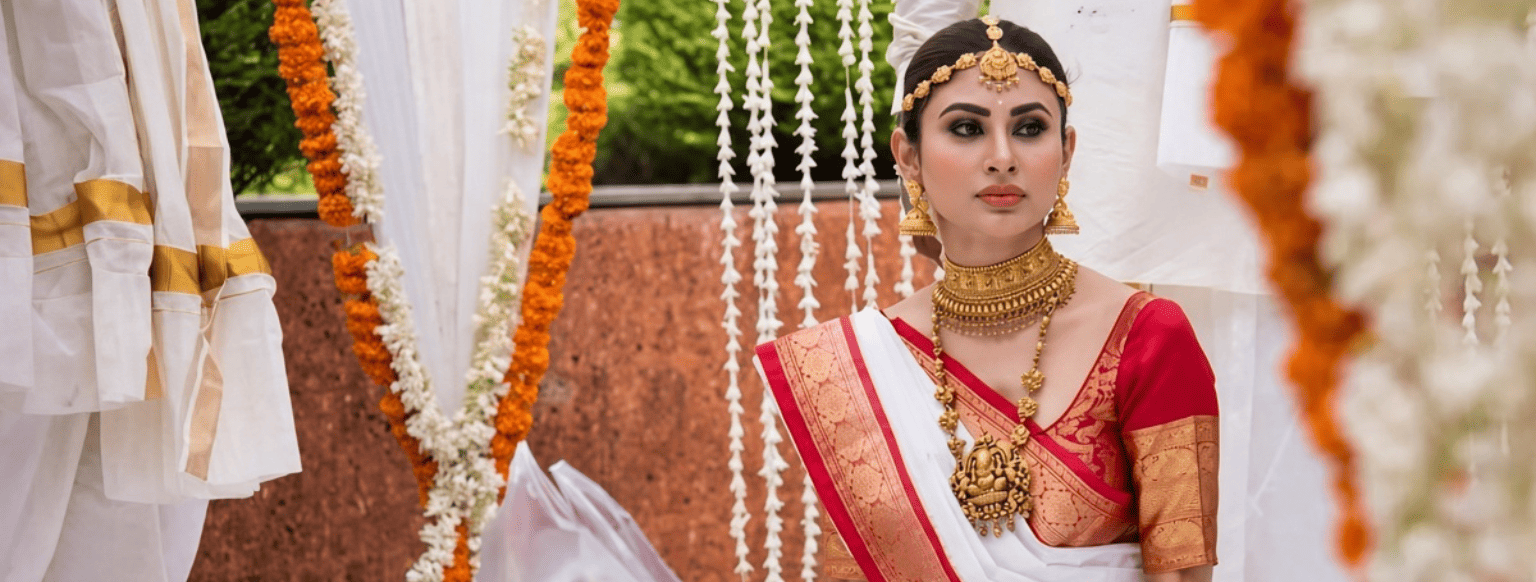
It marks a wedding, a puja, a festival, or a formal family day in a way jeans or a western dress often cannot, depending on the community. Regional weaves Kanjeevaram, Banarasi, Paithani, Bandhani, Chanderi, and many cottons carry a place, not only a print. Mothers still pass pieces down. That is cultural importance you can point to, not a slogan.
It is not equally mandatory everywhere, and it is not the only Indian garment. Salwar suits, mundu, Mekhela, and contemporary wear share the same calendar. The saree’s significance is strongest where the event still reads it as the finished, respectful, or festive option.
If you wear one only as costume for a photograph, you get the picture. You do not automatically get the rest of the benefits below.
1. It can look finished with less “outfit engineering”
A well-draped saree has length, a border, and a pallu. That structure does a lot of the visual work that a separate top, bottom, and layer have to assemble.
You can keep jewellery small and still look dressed for a function. You can also go the other way temple set, embroidered blouse and the garment has room for it. The benefit is range, not a rule that “minimum accessories always look elegant.” A messy drape and a fighting blouse will not.
The elegance people talk about is mostly: fabric that suits the day, pleats that stay, a blouse that agrees with the neckline, and a pallu that is intentional. Those are skills and choices, not magic in the six yards.
2. One garment covers very different days if the fabric changes
This is the practical versatility, not the brochure version.
| Kind of day | What usually works |
|---|---|
| Wedding, close family ritual | Dense silk weaves (Kanjeevaram, heavy Banarasi, Paithani, etc.) |
| Festival, daytime puja | Silk, Bandhani, good cotton, lighter festive weaves |
| Office / daytime formal | Cotton, linen, crepe, simple silk-cotton if the workplace allows it |
| Family gathering | Georgette, chiffon, lighter silk |
| Heat, travel, everyday traditional | Cotton, linen, lightweight handloom |
The same idea of a saree stretches across that table. The same physical saree does not. A Kanjeevaram will not become office wear because someone called sarees versatile. The benefit is that you can stay within one garment type and still match climate and formality once you own more than one fabric, or restyle a quieter piece with a different blouse.
3. You can change the look without buying a new “outfit”
The blouse, drape, belt, hair, and jewellery move independently of the six yards. That is a real wardrobe mechanic.
A plain cotton with a sharp boat-neck blouse and small earrings is a different object from the same cotton with a Khun choli and festive bangles. A silk worn Nivi with a closed back is not the same as that silk with a modern blouse and a neater pallu.
This only helps if you are willing to stitch or swap blouses and learn more than one drape. If every saree is locked to one unwearable blouse, the “expression” benefit is theoretical.
4. It still carries family and ritual meaning
Many women do not wear a particular saree because it is fashionable. They wear it because it was bought for a wedding, given by a mother, or is what that family puts on for a festival.
That emotional weight is a benefit if you want it: continuity, recognition in the room, a link that does not need explaining to relatives. It can also be pressure. Both can be true.
Passing a silk down only works if it was real cloth and was stored properly. A crumbling “heritage” piece is a memory, not a wearable benefit.
5. Buying the right kind of saree can support real textile work
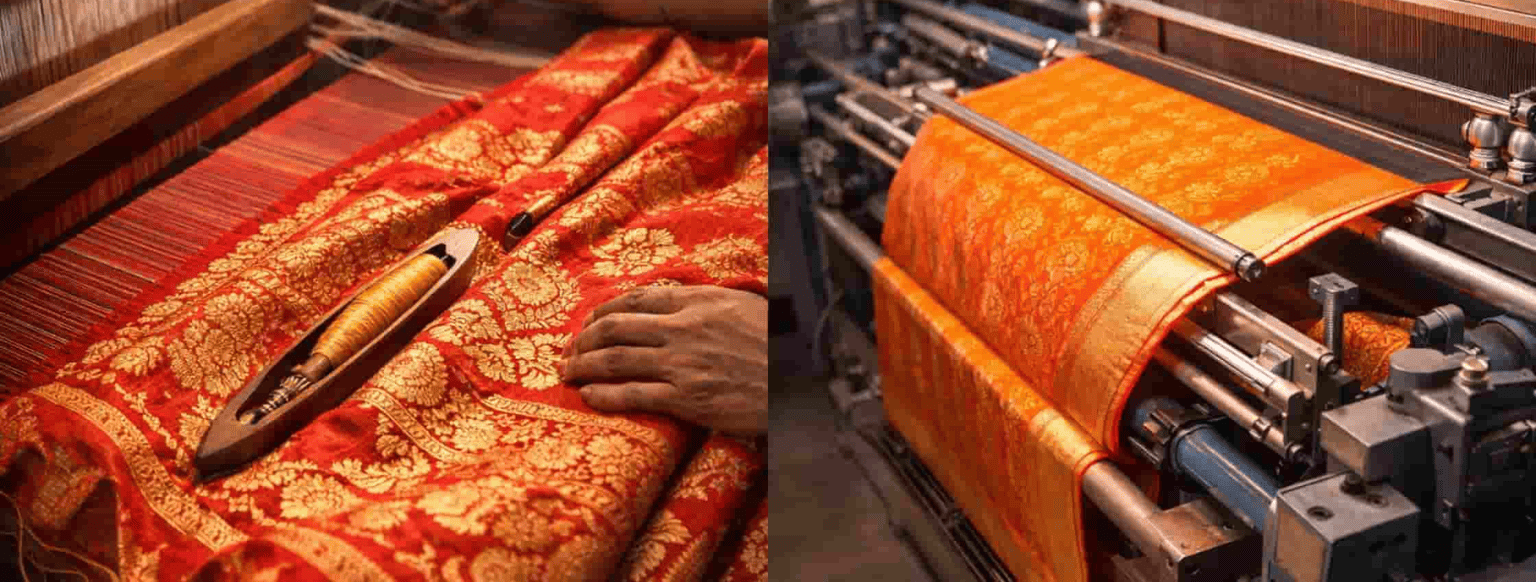
A handloom or workshop-made traditional saree is labour: weaving, dyeing, sometimes extra-weft, embroidery, finishing. Paying for that, from a seller who is still answerable, is one of the clearer ways a purchase touches a craft economy.
This benefit disappears if the piece is a printed polyester with a famous weave’s name on the tag. “Supporting weavers” is not activated by the word saree. It is activated by what you bought.
You do not need to lecture yourself into an heirloom budget. A honest cotton handloom worn often does more for a loom than a fake “Banarasi” worn once.
6. Fabric choice can be comfort, not only display
Cotton and linen in heat, crepe when you want a calm fall, georgette when you want movement without silk weight, velvet only in winter the format accepts those decisions.
Comfort is not guaranteed. Heavy zari, a tight blouse, an unpinned chiffon, or the wrong petticoat will erase this benefit in an hour. Choose fibre for the hours you will be dressed, then enjoy the fact that “saree” is not synonymous with “unwearable silk.”
7. It has stayed in use while silhouettes around it changed
Sarees are not outside fashion. Blouses, prints, belts, pre-draped versions, and pant-sarees change every few years. What has stayed is the basic unstitched drape as a garment people still recognise as formal, festive, or everyday ethnic, depending on cloth.
That staying power is useful if you want clothes that do not expire as fast as a trend dress. It is not a promise that every saree you buy will look current in ten years. A heavily themed party net may date. A well-chosen silk or cotton often will not.
What a saree does not automatically give you
Honesty keeps the rest of the list credible.
- It is slower to put on than a dress or kurta, especially at first.
- It is a poor choice if you cannot sit, commute, or work in it and have no time to learn.
- Some workplaces and some cities treat it as optional or even impractical. That is context, not a personal failure.
- Heat plus heavy silk is still heat.
- “One saree, infinite looks” fails if you have one blouse and no pins.
- Elegance is not owed to anyone who is uncomfortable or unsafe in the drape they were pushed into.
If the day is a long airport, a lab, or a job that needs trousers, wear what works. The importance of the saree is not increased by forcing it into every hour of life.
How to get the benefits instead of only the photograph
Pick fabric for the invitation and the weather, not for the shiniest photo. Silk and dense weaves for ceremony; cotton, linen, and simpler silks for long or hot days.
Treat the blouse as half the outfit. A simple saree with a well-cut blouse often looks more expensive than a busy saree with a leftover choli.
Learn a drape you can repair. Nivi is the urban default. Regional drapes (Nauvari, and others) have their own jobs. Practise before the event.
Jewellery should agree with the neckline, not pile on because “saree = maximum gold.”
If culture and craft are why you are buying, spend on a named weave or a real handloom from a seller who can talk about the cloth. If you need a look for next Saturday, a honest georgette or cotton is a valid benefit too — just do not call it an heirloom.
Build a small set, not a museum: one festive silk or equivalent, one breathable cotton or linen, one lighter party drape if your life needs it. Restyle with blouses before you buy a fourth of the same kind.
Why it is still worth having at least one you like
For a lot of people, the benefit is concentrated on a few days a year: you need to walk into a wedding or a festival and look like you understood the room. A saree you can drape, sit in, and recognise as yours does that with less negotiation than assembling a new formal outfit each time.
For others, the benefit is weekly: cotton, a stable blouse, no performance. That is a different purchase and a different success.
The importance of wearing a saree is not that it is the only Indian clothes, or that it makes every wearer regal. It is that it can hold ceremony, family memory, craft, and ordinary comfort in one format — when the fabric, the drape, and the day line up.
If you are deciding whether to wear one next, start with those three. If they match, the benefits listed here are available. If they do not, another garment is not a lesser choice. It is the right tool for that day.
Frequently Asked Questions
What are the main benefits of wearing a saree?
A finished formal or festive look when the drape is sound; the ability to change blouse and jewellery without a new outfit; a clear cultural and family signal at certain events; and, if you buy real handloom or workshop weaves, a purchase that pays skilled textile work. Comfort is a benefit only when the fabric matches the weather and the hours.
Is a saree only for weddings and festivals?
No. Cotton, linen, and simple silk-cottons are worn for work and everyday traditional dress in many places. Heavy silk is the ceremonial end of the same garment type.
Does wearing a saree keep you connected to culture?
It can, especially with regional weaves and family pieces worn at the events those pieces belong to. Wearing any six yards once for a photo is a weaker version of that. Culture is also maintained by other Indian clothes and by people who rarely wear sarees.
Does buying a saree support weavers?
Only if the saree is actually made in that economy — handloom or identified workshop production — and bought through a channel that pays for the work. Printed lookalikes do not.
How do I choose a saree so these benefits show up?
Occasion and climate first, then fabric, then blouse, then jewellery. A comfortable cotton you will wear beats a stiff silk you avoid.
Can one saree work for many occasions?
A quieter piece can, with different blouses and jewellery. A heavily bridal silk usually cannot become office wear. Versatility is mostly in the wardrobe of fabrics, not in a single famous drape.
Are sarees still in fashion?
They remain in active use for ceremonies and, for many people, for festive and some daily wear. Styling (blouses, prints, pre-drapes) changes. The unstitched drape has not disappeared.
When should I not wear a saree?
When you cannot move, sit, or work safely in it; when the workplace or activity needs something else; when you have not had time to drape it securely; or when you simply do not want to. None of that cancels the garment’s importance on the days it does fit.